
How to Set Up an Aquarium: A Complete Beginner's Guide
Learn how to choose the right tank, install your equipment, prepare the water, cycle your aquarium, and introduce fish safely.
Start Setting Up ↓ Equipment ChecklistCreate Your Own Underwater World
Setting up an aquarium is about more than filling a glass tank with water and adding fish. A healthy aquarium needs suitable equipment, a stable environment, beneficial bacteria, and regular care.
Following the correct setup process gives your future fish a safer environment and helps you avoid common beginner mistakes.
What's Inside This Guide?
Essential Equipment for Your Aquarium
Prepare your equipment before filling the tank. Choose items according to aquarium size, the fish you plan to keep, and whether the setup is freshwater or marine.
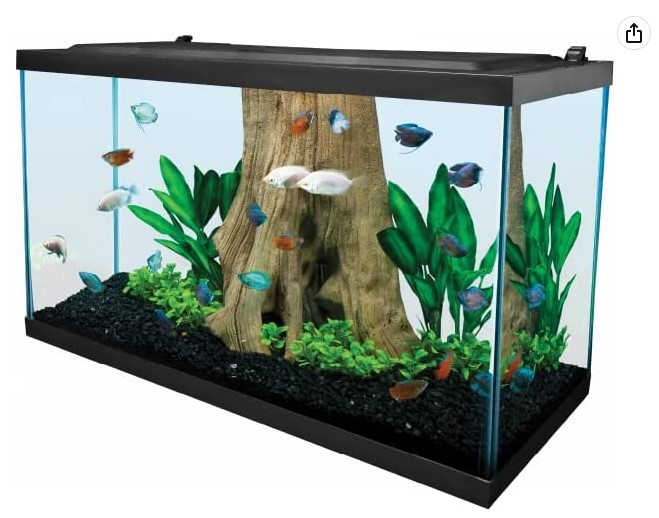
1. Aquarium Tank
Choose a suitable tank with enough swimming space for the adult size and behavior of your intended fish. Place it on a level, sturdy stand.
Foundation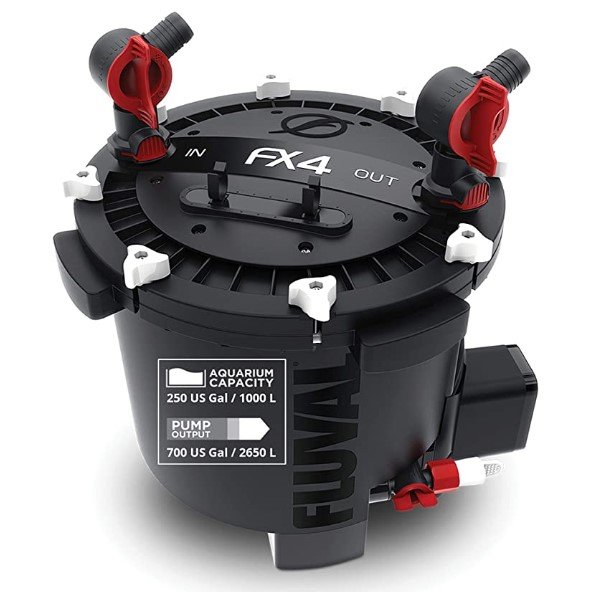
2. Filter
A suitable filter circulates water and provides surfaces for beneficial bacteria that help process fish waste.
Essential
3. Substrate and Plants
Choose aquarium-safe gravel, sand, or plant substrate. Add plants and decorations that do not release harmful substances.
Habitat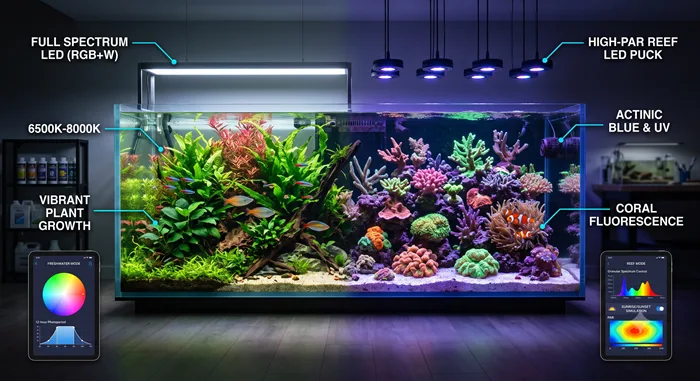
4. Lighting
Use aquarium lighting appropriate for the fish and plants. A consistent day-and-night schedule helps control unwanted algae.
LightingOther Useful Supplies
- Water conditioner to neutralize chlorine and chloramine in tap water.
- Thermometer and an appropriately sized heater when needed.
- Water test kit for ammonia, nitrite, nitrate, and pH.
- Gravel vacuum, dedicated bucket, and algae-cleaning pad.
- Fish food and a secure lid where appropriate.
How to Set Up an Aquarium Step by Step
Take your time with each stage. The aquarium should be stable and biologically prepared before you introduce fish.
Choose the Right Location
Place the aquarium on a sturdy, level surface that can support its full weight. Avoid direct sunlight, strong temperature changes, heaters, and high-traffic areas.
Make sure you can reach an electrical outlet safely and maintain the tank without difficulty.
Clean the Tank and Substrate
Rinse a new aquarium with clean water only. Rinse gravel or sand as directed by its manufacturer until excess dust is removed.
Never use household soaps, detergents, or chemical cleaners inside the aquarium.
Add Substrate, Rocks, and Decorations
Spread the substrate evenly and arrange aquarium-safe rocks, driftwood, and decorations. Make sure heavy items are stable and cannot fall onto the glass.
Leave open swimming areas and provide hiding places suited to your chosen species.
Install the Filter, Heater, and Light
Follow the equipment instructions. Position the filter for suitable water circulation and install a heater only when required by your fish.
Fully submerge equipment only when its instructions permit it. Never operate a heater dry, and follow the manufacturer's instructions before unplugging or handling it.
Fill the Tank with Conditioned Water
Slowly add tap water treated with a suitable conditioner for chlorine and chloramine. Pour gently over a plate or plastic bag to avoid disturbing the substrate.
Check the temperature and other water parameters against the needs of your intended fish.
Cycle the Aquarium Before Adding Fish
Keep the filter running and establish beneficial bacteria through a fishless cycling process. These bacteria help convert toxic ammonia into nitrite and then nitrate.
Use an appropriate aquarium ammonia source and test the water throughout the process. Do not rely on clear water or a fixed number of days to decide whether the tank is ready.
Learn about the nitrogen cycle ↓Introduce Fish Gradually
Once the cycle is established and water tests confirm the aquarium is ready, select compatible fish appropriate for your tank size.
Acclimate them carefully to the new water, avoid sudden temperature changes, and monitor their behavior and water quality after introduction.
Understanding the Nitrogen Cycle
Fish waste and decomposing food release ammonia, which is toxic to fish. Beneficial bacteria establish themselves in the filter and other surfaces and help process this waste.
Ammonia
Comes from fish waste, uneaten food, and decaying organic matter. It must be controlled because it can harm fish.
Nitrite
Beneficial bacteria convert ammonia into nitrite. Nitrite is also toxic and must be processed further.
Nitrate
Other bacteria convert nitrite into nitrate. Nitrate is generally less toxic but still needs to be managed.
Water Changes
Partial water changes, suitable plant growth, and sensible stocking help manage nitrate and maintain water quality.
Follow test results, not the calendar. In a fishless cycle, confirm that the biological filter can process an appropriate ammonia dose to undetectable ammonia and nitrite within the expected test interval. The time required varies.
Choosing Fish for Your First Aquarium
Choose the fish before deciding on final equipment and stocking. Different species need different water temperatures, group sizes, swimming space, and water chemistry.
Before Buying Any Fish
- Check the adult size of the species, not only its size at the shop.
- Research whether the fish needs a group, a pair, or individual housing.
- Check temperature, pH, and water hardness requirements.
- Confirm the aquarium dimensions and swimming space are sufficient.
- Choose compatible tankmates and avoid overcrowding.
- Quarantine new fish where possible and appropriate.
One well-planned species setup is often easier to manage than a tank with several species that have different needs. Never add all your planned fish at once without considering the biological filter's capacity.
For species ideas, read our related guide:
Best Fish for a 10-Gallon Tank →Water Parameters and Maintenance
Good water quality is essential for fish health. Test the aquarium regularly and adjust maintenance according to the results, stocking level, and species requirements.
| What to Monitor | What to Know |
|---|---|
| Ammonia | Should be undetectable in an established, healthy aquarium. |
| Nitrite | Should be undetectable in an established, healthy aquarium. |
| Nitrate | Monitor and manage through water changes, stocking, and plant growth. |
| Temperature | Keep stable within the range suitable for your species. |
| pH and hardness | Match the requirements of your chosen fish and avoid abrupt changes. |
A Simple Maintenance Routine
- Daily: Check fish behavior, equipment, and temperature.
- Regularly: Test water and remove uneaten food or visible waste.
- Weekly as a starting point: Perform a partial water change, adjusted to test results and stocking.
- As needed: Clean the glass and gently vacuum the substrate.
- Filter care: Rinse reusable filter media in removed aquarium water when appropriate, and avoid destroying beneficial bacteria.
Common Aquarium Setup Mistakes
Adding Fish Too Early
A tank may look clean before its biological filter is established. Complete the cycle and verify water quality before introducing fish.
Overstocking the Tank
Too many fish can increase waste, stress, and aggression. Stock according to adult size, behavior, group needs, and filtration.
Cleaning Everything at Once
Beneficial bacteria live on filter media and other surfaces. Avoid sterilizing the tank or replacing all filter media at once.
Skipping Water Conditioner
Untreated tap water may contain chlorine or chloramine. Use a conditioner suitable for your local water supply.
Overfeeding Fish
Excess food decomposes and worsens water quality. Feed suitable portions and remove uneaten food.
Frequently Asked Questions
How long does it take to set up an aquarium?
Assembling and filling the tank may take a few hours, but establishing the biological filter usually takes longer. A fishless cycle can take several weeks or more, depending on conditions. Use water test results to determine readiness.
Can I put fish in a new aquarium on the same day?
It is safer to establish the nitrogen cycle before adding fish. A newly filled aquarium usually does not have enough established beneficial bacteria to process fish waste reliably.
Does every aquarium need a filter?
Most conventional fish aquariums benefit from suitable filtration. A filter provides circulation and surfaces for beneficial bacteria, although the exact equipment depends on the setup.
Should I use tap water for my aquarium?
Tap water can be suitable when treated for chlorine or chloramine and when its chemistry is appropriate for the species. Test and condition it before use.
How often should I change aquarium water?
A partial weekly water change is a common starting point. Adjust the amount and frequency according to nitrate levels, stocking, feeding, and overall water quality.
Do aquarium plants need special lighting?
Live plants need suitable light, but requirements differ by species. Choose lighting duration and intensity to support growth without encouraging excessive algae.
What is the most important step in aquarium setup?
There is no single step that replaces the others. Appropriate equipment, a completed nitrogen cycle, compatible fish, and ongoing water testing all work together to support fish health.
Build a Healthy Aquarium from Day One
A successful aquarium starts with planning. Choose a suitable tank, install the right equipment, establish beneficial bacteria, and select fish that match your aquarium's conditions.
Take your time, monitor water quality, and enjoy creating a beautiful underwater environment.
Review Setup Steps ↑